
RFQ Checklist
- Target force/torque range and control mode
- Desired stiffness window and compliance behavior
- Encoder/sensor architecture requirements
- Validation test plan and pass/fail thresholds
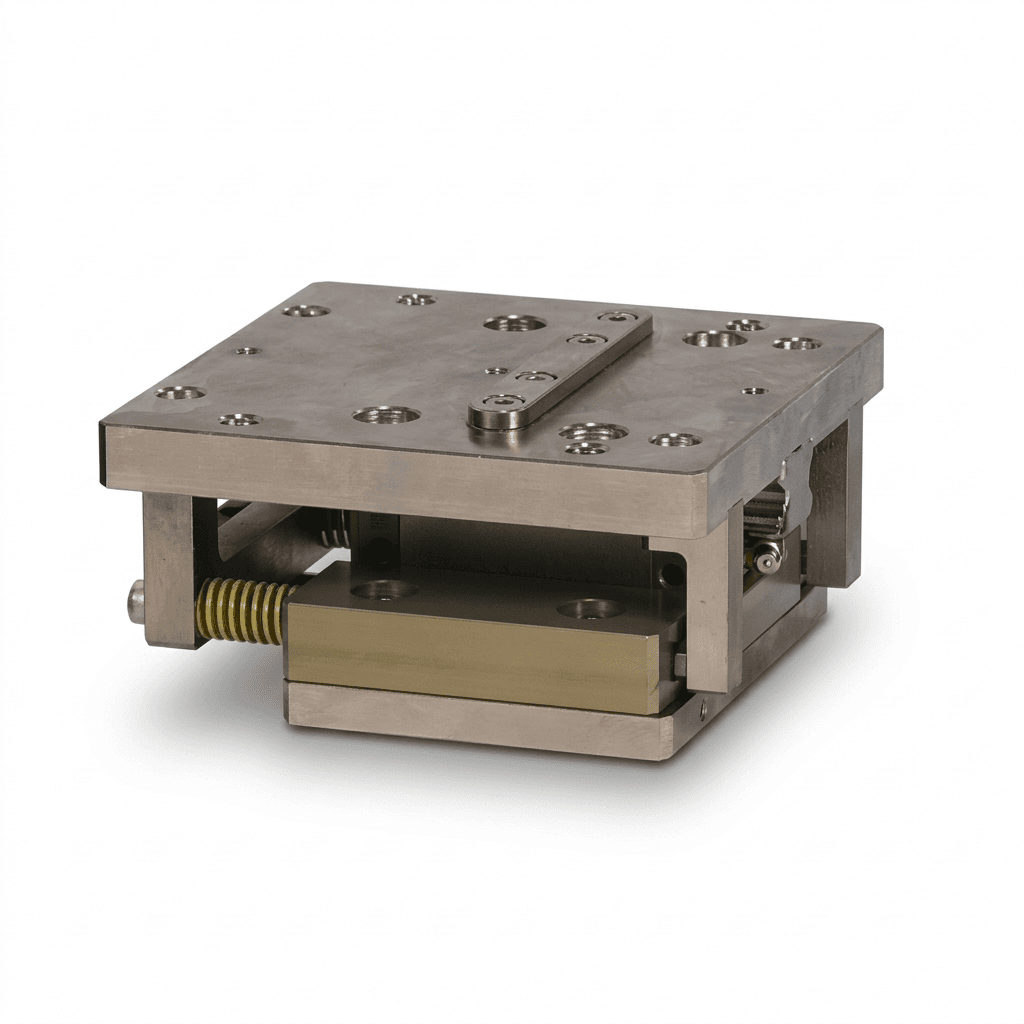
Compliant actuation architecture for safer human-robot interaction with torque estimation and force-control readiness.
Inquiry Email
Send target torque/speed, protocol, quantity, and delivery location.
| Metric | Typical Range | Why It Matters |
|---|---|---|
| Stiffness option window | 100-500 Nm/rad (project dependent) | Defines system compliance and closed-loop force behavior. |
| Torque sensing strategy | Dual encoder + deflection estimation | Supports predictable impedance and force-control performance. |
| Continuous torque class | Application dependent | Ensures compatibility with mission duty and safety envelope. |
CE, RoHS, and REACH documentation support is available by project scope. HS classification should be treated as reference guidance only and must be confirmed by importer/broker based on destination rules and final product configuration.
| Package | When to Request | Purpose |
|---|---|---|
| Datasheet | Model shortlist stage | Verify electrical and performance envelope assumptions. |
| STEP / IGES | Mechanical integration review | Validate envelope, mounting, and cable-routing compatibility. |
| Communication manual | Controller and commissioning planning | Align protocol behavior, PDO mapping expectations, and diagnostics workflow. |
Inquiry Email
Send target torque/speed, protocol, quantity, and delivery location.
Yes. Stiffness and control-side assumptions can be co-defined for sample validation.
Yes. We can align architecture and validation checkpoints during RFQ review.
Inquiry Email
Send target torque/speed, protocol, quantity, and delivery location.