
RFQ Checklist
- Peak torque and continuous torque requirements
- Gear ratio target and joint inertia assumptions
- Hollow-shaft diameter and cable-routing needs
- Bus/control stack and commissioning expectations
Low-ratio backdrivable actuator architecture for impact-tolerant robotic joints and clean internal cable routing.
Inquiry Email
Send target torque/speed, protocol, quantity, and delivery location.
| Metric | Typical Range | Why It Matters |
|---|---|---|
| Gear ratio | 6:1 to 10:1 typical | Controls reflected inertia and impact backdrive behavior. |
| Peak torque class | 17-120 Nm range by frame size | Aligns actuator class to payload and motion profile. |
| Communication interface | CAN / RS / project-specific options | Impacts commissioning effort and controller compatibility. |
CE, RoHS, and REACH documentation support is available by project scope. HS classification should be treated as reference guidance only and must be confirmed by importer/broker based on destination rules and final product configuration.
| Package | When to Request | Purpose |
|---|---|---|
| Datasheet | Model shortlist stage | Verify electrical and performance envelope assumptions. |
| STEP / IGES | Mechanical integration review | Validate envelope, mounting, and cable-routing compatibility. |
| Communication manual | Controller and commissioning planning | Align protocol behavior, PDO mapping expectations, and diagnostics workflow. |
Inquiry Email
Send target torque/speed, protocol, quantity, and delivery location.
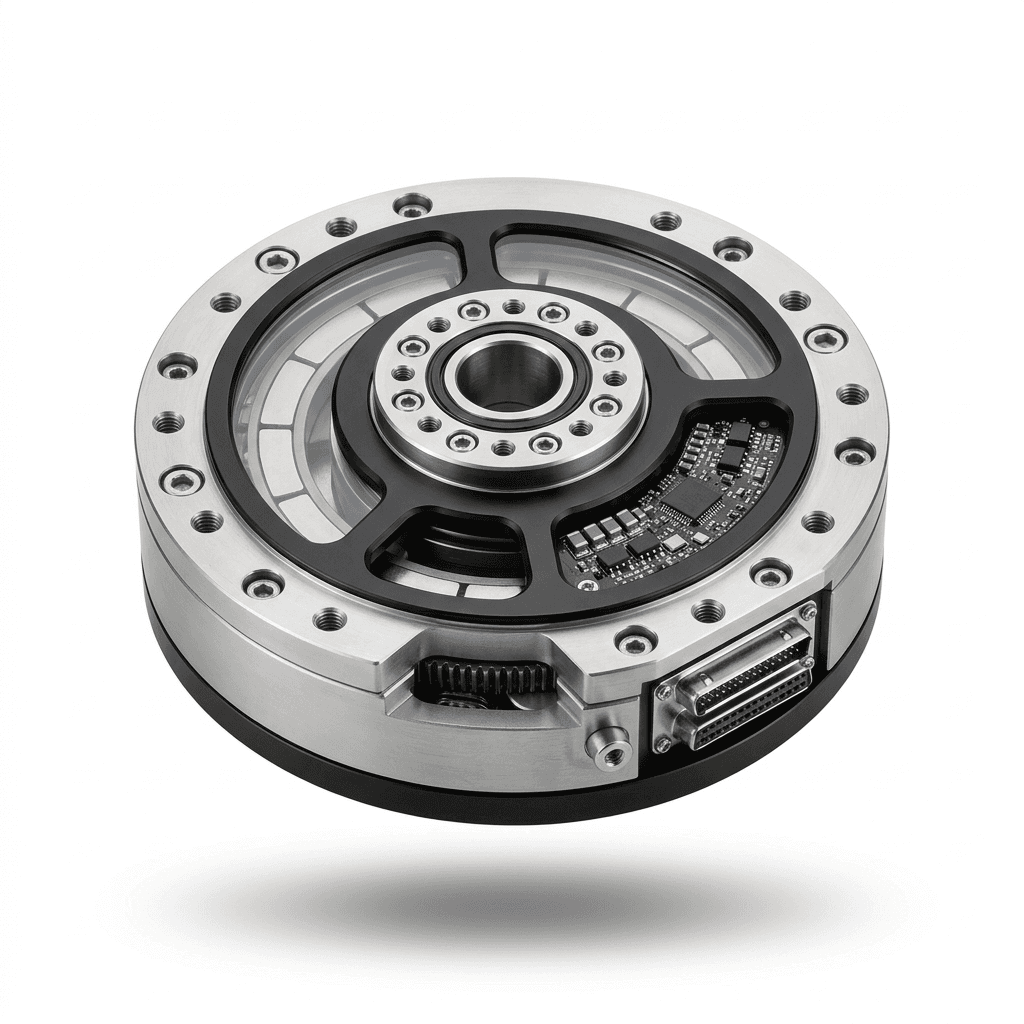
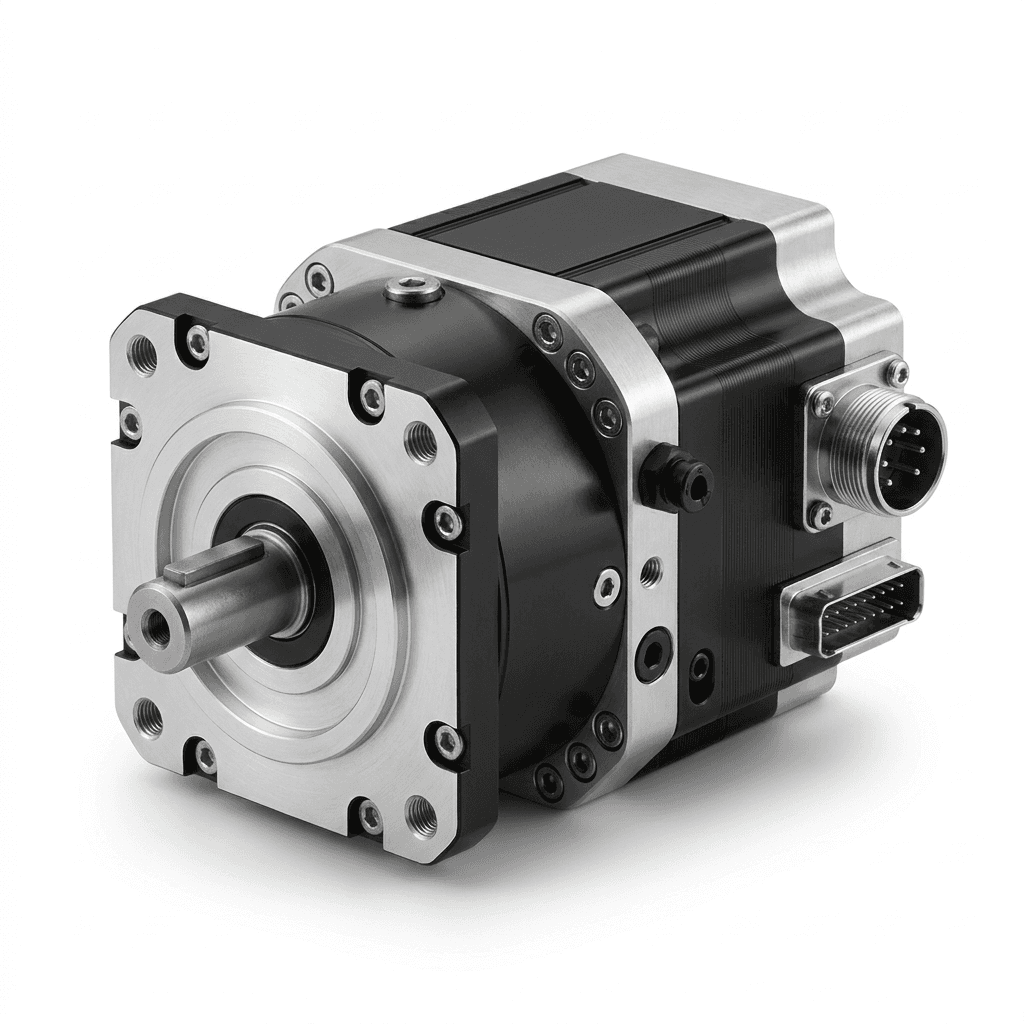
Yes. Hollow-shaft and interface customization can be aligned to your routing architecture and tolerance requirements.
Yes. Share your axis demand and we will recommend ratio and motor matching for first-round samples.
Inquiry Email
Send target torque/speed, protocol, quantity, and delivery location.